In my series of posts, I wrote about how burnout develops when demands constantly exceed resources. After that, I had one question: How can you actually restore those resources? Your vacation didn’t cure your burnout. Here’s why. Read more below
In my last post, I wrote about how burnout develops when demands constantly exceed resources. After that, I had one question:
How can you actually restore those resources?
Most people try to recover from burnout the same way they recover from a tough week — by sleeping more, taking time off, or waiting until the weekend. But that doesn’t work.
We think that rest means physical rest. So we sleep, lie on the couch, watch Netflix, or go away for a week to a warm place. And we come back just as exhausted.
Dr. Sandra Dalton-Smith describes seven different types of rest: physical, mental, sensory, creative, emotional, social, and spiritual. Burnout usually means that you have exhausted several of them at once.
Walking helps with physical and mental rest. But it won’t help with the emotional exhaustion of keeping everything under control all day. Or with the social exhaustion of conversations that take more energy than they give. That’s why one solution rarely works.
So what does work?
The stress cycle needs to finish. When pressure lasts for weeks, the body stays in activation mode — even after work is over. A quick walk, stretching, slow breathing with a longer exhale. This signals to the nervous system that the threat has passed. The body needs to complete the cycle it started. Try to find an activity that suits your rhythm.
Small pauses during the day do more than you think. Burnout builds up over months of continuous pressure. Take 3-5 minutes every 90 minutes away from the screen — name all the red things around you, notice 3 sounds, look out the window. These practices bring you back to the present moment. Or go out on the balcony, make yourself a cup of tea. Small breaks throughout the day do more for your nervous system than pushing through until Friday.
Rebuild what sleep can’t restore. Rest restores the body. But burnout also depletes something else — the feeling that your work matters, that someone sees your effort, that you have some control over your day. You can’t sleep your way back from that.
Your brain needs to know the day is over. When burnout sets in, work and rest blur together. A small ritual helps draw that line. Write down what you finished. Close the laptop deliberately. Switch to something that quiets the mind.
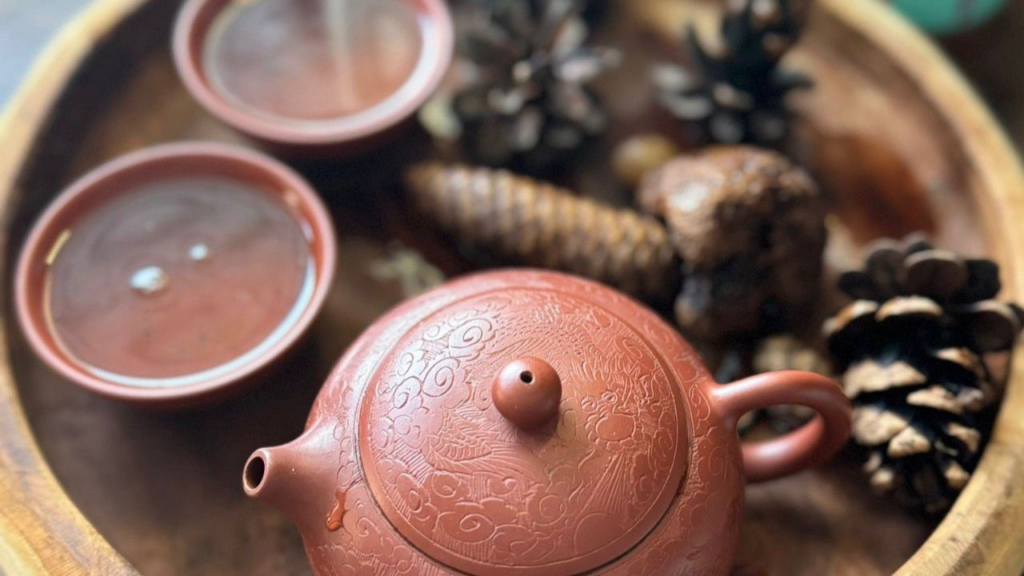
For me, it’s a Chinese tea ceremony. Twenty minutes blocked in my calendar like a meeting — and I’ve been doing it for years. No phone, no screen. Just the process — the warmth of the cup, the smell of the tea. Not because it’s trendy. Because it works. What do you think would work for you?
One more thing — especially if you’re working internationally.
The risk of burnout tends to be higher when you’re working in a second or third language and navigating a new culture. The nervous system invests energy even before the workday starts. Without intentional recovery, that gradually turns into exhaustion — and it’s easy to miss because it feels like it’s just part of the adjustment.
What can you realistically fit into your day?
Recovery starts with one small signal of safety — given to yourself consistently enough that your body actually starts to believe it.
Next: the energy leaks you probably don’t notice — perfectionism, excessive responsibility, and the belief that working harder will eventually solve everything. Spoiler: it won’t.
But that’s for next time, right now I’m going to make myself some tea.